
There is never a good time for your garage door to stop working. Planning ahead is the best way to avoid surprises. At Prime Garage Door Co., we coach homeowners and business managers to schedule garage door repair and maintenance at specific times of the year so problems are found early and fixed before they become expensive. When you time your service well, your door runs smoothly, your opener lasts longer, and your home stays safer.
Here is a real example from our team. A Houston customer called us in late July because the door dragged and screeched. The summer heat had expanded the steel track and dried the rollers. The opener worked harder, and the spring tension drifted out of balance. A simple tune up could have prevented the wear, but the delay turned the visit into a larger repair with multiple parts. Timing matters more than most people think.
Seasonal shifts in Houston are not dramatic, but humidity, heat, and quick storms are enough to stress a garage door system. Springs cycle in and out of tension. Rollers and hinges need lubrication. Safety sensors get bumped. A preventive calendar protects your system and protects your budget. The guide below explains when to book a service, what to ask for, what you can do yourself, and how to spot small signs before they become big problems.
Why Preventive Garage Door Repair Should Be on Your Calendar
Your garage door is a system with many moving parts that all depend on each other. Some springs lift the weight. Some cables carry the load. Some rollers glide in the track. There is a garage door opener that powers the movement. There are fasteners and brackets that keep everything straight and safe. When any part goes out of tune, the strain spreads to other parts.
Preventive garage door repair is the practice of checking and adjusting these parts before a failure happens. It is less expensive than emergency work, and it keeps your family and your employees safe. A door that is balanced requires less force to move. Less force means the opener lasts longer. The result is fewer breakdowns, smoother operation, quieter performance, and better energy control inside your home or business.
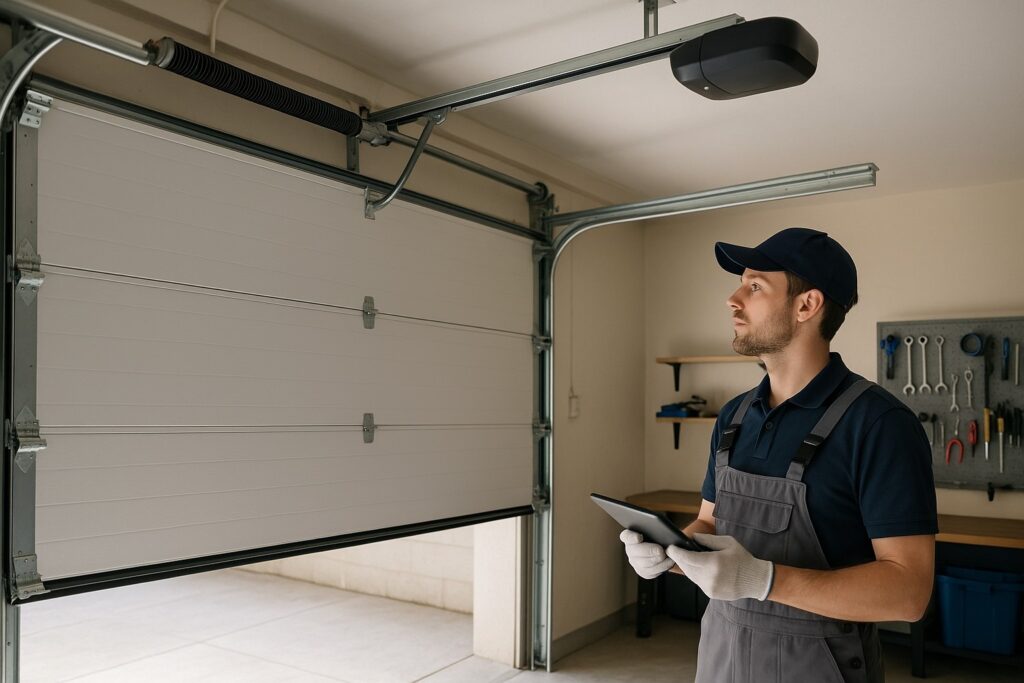
A good preventive visit includes a thorough inspection. A technician should test the spring balance, tighten hardware, check cable condition, verify safety reversal, clean and align sensors, lubricate rollers and hinges, and evaluate weather seals. With these steps, most minor issues are solved in a single visit.
The Seasonal Sweet Spots in Houston
Houston brings warm weather, high humidity, and frequent rain. These conditions shape the best times to schedule service.
Spring is the number one time
Spring is the top time to schedule a full tune-up. The weather is mild and perfect for testing balance, refreshing lubrication, and replacing worn seals. Springs that worked hard through winter are ready for a check. The opener gets reset to correct force levels. A springtime visit sets the tone for the rest of the year.
Spring checklist
- Balance test and spring tension adjustment
- Lubrication of rollers, hinges, and bearings
- Weather seal inspection and replacement if needed
- Track cleaning and fastener tightening
- Opener force and travel calibration
- Safety test for photo eyes and auto reverse
Fall is the smart backup window
Fall gives you a second chance before cooler days arrive. Lubricants thicken when temperatures drop. Dust from summer can cake on tracks. Batteries in remotes and keypads may be weak. A fall visit prevents slow starts and noisy movement.
Fall checklist
- Re-lubrication with weather weather-friendly product
- Hardware check for loosened brackets and hinges
- Opener belt or chain tension check
- Seal inspection to prevent drafts and pests
- Sensor cleaning and alignment
Summer and winter need targeted attention
Summer heat expands metal and dries out lubricants. Winter cold contracts metal and can expose weak springs. These seasons are fine for service, but the visit is focused. In summer, we reduce friction and check the opener for overheating. In winter, we protect against contraction, brittle plastic parts, and stiff seals.
A Month-by-Month Maintenance Planner
Use this simple calendar to stay ahead.
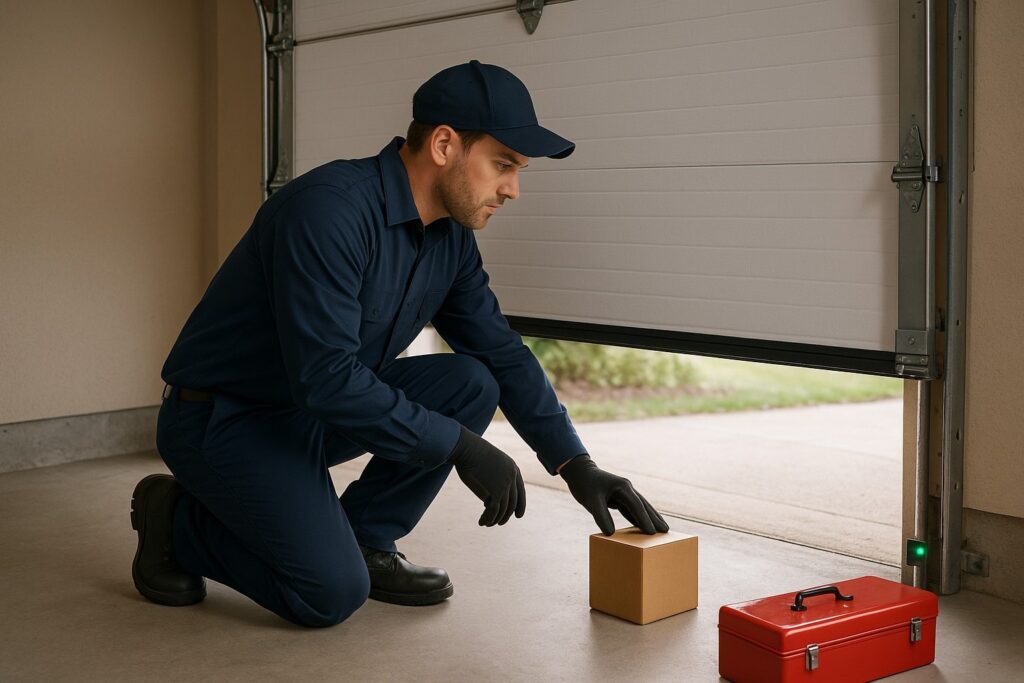
- January and February – Perform a visual check. Listen for new noises. Test the auto reverse by placing a piece of wood on the floor under the door and confirming the door reverses on contact. Replace remote and keypad batteries if they are older than one year.
- March and April – Book your spring tune-up. Ask your technician to measure spring cycle life and note an estimated replacement window based on your usage pattern.
- May and June – Wipe the photo eyes. Clear spider webs and dust from the tracks. Check the bottom seal for cracks. Clean garage door panels to remove pollen and mold that can break down paint and seals.
- July and August – Heat puts stress on the opener. Make sure the ventilation in the garage is adequate. If you hear grinding, squealing, or clicking, call for service quickly. These sounds often mean expansion or dry rollers.
- September and October – Book your fall tune-up. Ask for a full hardware tightening pass and a weather strip check. Replace any rollers with worn bearings to prevent winter noise.
- November and December – Wash the door and apply a light protectant to weather seals. Keep the threshold swept. Test the manual release, so you know how it works in case of a power outage.
What a Professional Technician Does During a Preventive Visit
A trained technician follows a precise sequence. This sequence protects your door and protects everyone near it.
- Interview and observation – The technician asks about noises, slowdowns, or recent changes. They watch the door run two full cycles and listen for problems.
- Balance and spring analysis – The door is disconnected from the opener to check the balance. The technician adjusts torsion or extension springs to center the weight so the door stays in place when lifted halfway.
- Hardware and track tightening – All hinges, brackets, and strut fasteners are checked and tightened. The track alignment is verified so the rollers move smoothly with no pinch points.
- Rollers and bearings – Nylon or steel rollers are inspected. Worn or cracked rollers are replaced. Bearing plates are checked for play and noise.
- Cable inspection – Cables are checked for frays, rust, or flattening. If there is damage, replacement is recommended during the same visit.
- Opener service – The technician tests force and travel limits, checks the gear or belt, confirms the emergency release works, and aligns the safety sensors.
- Weather control – Bottom seal, side seals, and top seal are inspected. Gaps are closed to improve energy control and keep pests and water out.
- Final safety testing – Auto reverse is tested with both the force test and the photo eye test. The system is run several times to confirm silent and smooth operation.
Houston Climate Tips That Extend Part Life
- Control humidity inside the garage with a simple dehumidifier or better airflow. Humidity causes rust on springs, cables, and tracks.
- Use the right lubricant. A light silicone or lithium-based product keeps parts moving without attracting dust. Avoid thick grease that can gum up in cooler weather.
- Protect wooden doors with regular paint or sealant checks. Wood can swell and rub against the trim.
- Keep the floor clean. Sand and grit act like sandpaper on rollers and seals.
- Check the bottom seal after heavy rain. Water can pool and damage the seal or invite pests.
How to Spot Early Warning Signs
Small signs save you money when you act quickly.
- A new rattle or bang during movement
- The door pauses or stutters mid-travel
- One side of the door seems lower than the other side
- The opener light blinks, and the door will not close
- You press the remote twice to get the door to respond
- The door feels heavy when you try to lift it manually
If you notice any of these signs, schedule service soon. Early attention prevents damage to the opener and prevents sudden spring failure.
Safety First: What Not to DIY
There are helpful tasks you can do at home. You can clean tracks with a dry cloth, wipe sensors, and replace remote batteries. You can lightly lubricate hinges and rollers following the product label. You can test auto-reverse monthly.
You should not adjust torsion springs, remove cable drums, or take apart an opener gear assembly. Springs hold a very high amount of stored energy. A sudden release can cause injury or property damage. Always leave spring and cable work to trained professionals with the right tools and protective setup.
Cost Control: Why Timing Saves Money
Preventive visits cost less than emergency calls. They also reduce the total number of parts you replace over the life of your system. A balanced door needs less force from the opener. Less force means less strain on the opener motor and gears. Less strain means fewer breakdowns.
Think of it like this. Two seasonal tune-ups and minor parts are usually much cheaper than one major repair with multiple components. Energy savings from solid seals and smooth operation also lower your utility bill.
Residential vs. Commercial Scheduling
Homes
Most homes do well with two visits per year. Families that use the garage as the primary entry should keep to the schedule. Homes with teenage drivers, large vehicles, or high daily cycles benefit from an extra check in mid-summer.
Businesses
Commercial garage doors in warehouses, fire stations, parking facilities, and delivery bays often cycle many times per day. These doors need a quarterly plan. The plan should include a cycle count, a detailed inspection log, and a rotation for parts with known life cycles, such as high-cycle torsion springs, bearings, and cables.
Smart Openers and Modern Features
Modern garage door openers can report errors and cycle counts. If you have a smart opener, check the app for maintenance alerts. Features like soft start and soft stop reduce stress on the door. Battery backup ensures operation during a storm. Wi Fi control allows remote monitoring so you can confirm the door is closed even when you are not at home. During preventive service, ask your technician to update the opener firmware when available and to test the battery backup function.
Preparing for Your Appointment
You can help your technician work quickly and safely.
- Move vehicles out of the garage
- Clear items away from the door tracks and the opener head
- Unlock any side gate for access if needed
- Keep pets indoors or in a closed room
- Make a short list of noises or issues you have noticed
A prepared workspace means a shorter visit and a more complete result.
Replacement vs. Repair: Knowing When to Upgrade
There comes a point where a new garage door or opener is the smarter choice. If your door is more than fifteen to twenty years old, has repeated panel damage, or needs frequent service, consider a new garage door with stronger struts, insulated sections, and quiet rollers. If your opener lacks safety features like photo eyes or has a worn gear set, consider an upgrade to a belt drive or direct drive model with modern safety and convenience features.
Prime Garage Door Co. provides complete garage door installation services and helps you compare brands and models that fit Houston conditions. We recommend insulated steel for most homes because it resists humidity, keeps the garage more comfortable, and runs quietly.
A Practical Homeowner Checklist
Print or save this list and follow it through the year.
- Monthly auto reverse test
- Quarterly lubrication of rollers and hinges
- Quarterly sensor cleaning
- Twice-yearly professional tune-up
- Battery replacement each year
- Weather seal check after heavy storms
- Visual check for frayed cables or cracked rollers
Quick Troubleshooting Guide
Try these steps before you call.
- The door will not close, and the opener light flashes – Check that nothing blocks the safety sensors. Wipe the lenses and confirm they are facing each other.
- The remote does not work – Replace the battery and try again. Make sure the wall button operates the door. If the wall button works but the remote does not, reprogram the remote.
- The door reverses at the floor – The down travel or force setting may need a small adjustment. If you are not comfortable adjusting it, schedule service. Never force the door closed.
- The door is crooked or jerks – This may be a cable or spring issue. Do not operate the door. Call for professional help to prevent further damage.
For Property Managers and HOAs
Create a simple register of doors with addresses, door types, install dates, and last service dates. Set reminders for spring and fall. Require safety testing and seal checks before the start of summer storms. This record reduces emergency calls and keeps community spaces safe and quiet.
For Facilities and Warehouse Teams
High-cycle doors are the heartbeat of a busy facility. Track cycle counts when possible. Stage spare parts such as rollers, cables, and photo eyes. Train staff to report noise and hesitation right away. Use a quarterly plan with at least one deep inspection per year that measures spring torque and captures photos of wear points for your records.
The Bottom Line
You can avoid most breakdowns with two preventive visits each year. Spring and fall are the best times for a full check, with attention in summer and winter for targeted issues. Keep your own small checklist at home. Listen for new noises. Watch for slow travel or bouncing. Treat small signs early to prevent bigger repairs. A steady plan keeps your garage door safe, quiet, and reliable.
Frequently Asked Questions (FAQs)
Q1: How often should I replace the weather seal on my garage door?
You should review the weather seal once a year, and plan to replace it every 2–3 years or sooner if you notice drafts, visible cracks, or signs of wear. Proper sealing helps with insulation and prevents pests and moisture from entering.
Q2: Do I need to reprogram my remote after a garage door service?
Not always, but if your technician replaces or resets the opener’s control board, it’s wise to reprogram the remotes and keypads to ensure secure operation and proper syncing.
Q3: Will a big storm or power outage impact my garage door operation long-term?
Yes. Even if the door seems fine afterward, surges can damage the control board, and power outages may confuse the opener’s travel limits. After such events, it’s good to schedule a check-up to confirm all systems are still aligned and functioning.
Q4: Is insulation worth doing for a standard residential garage door?
Yes—especially in a region like Houston. Adding insulation to the door panels helps regulate garage temperature, cuts cooling costs, and reduces stress on the opener system by reducing heat transfer and movement from thermal expansion.
How Can Prime Garage Door Co. Help You?
At Prime Garage Door Co., we make preventive care simple and stress-free. Our skilled technicians bring precision tools, quality parts, and years of experience to every visit. We handle residential doors and commercial garage door systems with the same focus on safety and smooth operation. We offer thorough inspection, regular maintenance, and fast repair services, including springs, cables, rollers, openers, tracks, and weather seals. If you are ready for a new garage door or opener, we provide expert recommendations and clean, professional installation.
📍 Address: 5831 Centralcrest St 1st Floor, Houston, TX 77025, United States
📞 Phone: (281) 843-1139
Contact us today to schedule your preventive service appointment. Ask for our spring or fall tune-up. Tell us about any noises or delays you have noticed. Our team will build a simple plan that fits your home or your business, keeps your garage door in top condition, and protects your budget for years to come.